
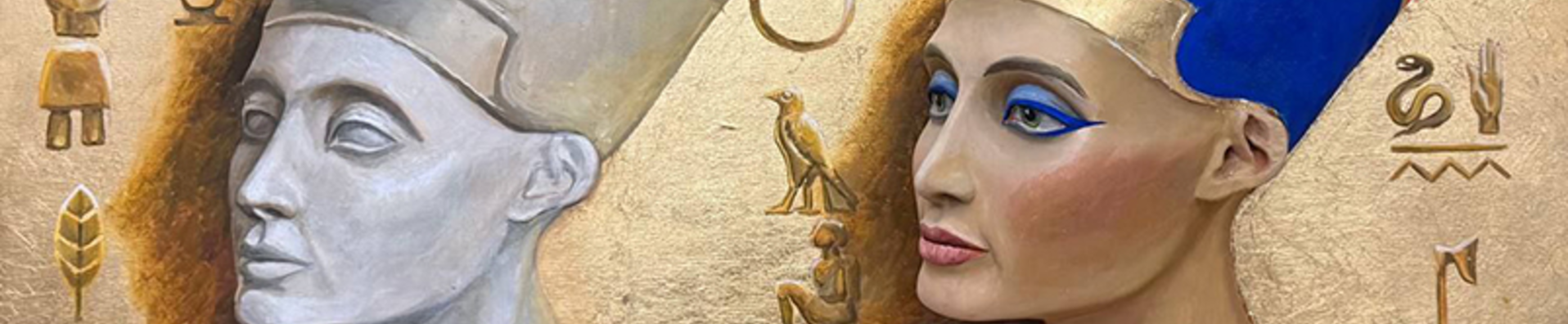
Russian art has always been distinguished by its ability to look beyond the visible, merging philosophical depth with virtuoso technique. One of the most fascinating phenomena of recent decades is modern Russian Surrealism—not a copy of Western models, but a unique movement that has forged world traditions in the crucible of national cultural identity.
Unlike Western European Surrealism, where André Breton sought to unlock the unconscious through automatic techniques and Salvador Dalí built paranoid-critical dreamscapes, Russian artists often take a different path. As art critics aptly note, for many of them, surrealism is not an escape from reality into fantasy, but a deeper observation and expression of reality. Artists do not merely fantasize—they engage in a dialogue with history, philosophy, literature, and their own subconscious. It is this fusion of academic mastery and boundless imagination that defines the face of modern Russian Surrealism.
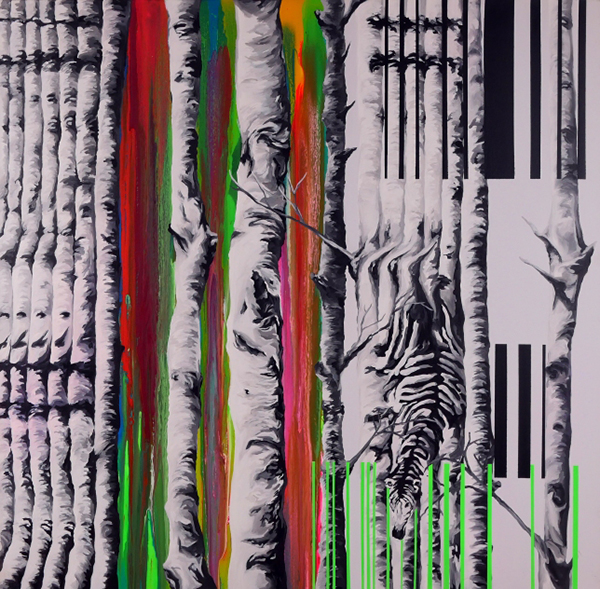
The Baranow Art Gallery closely follows the development of modern Russian Surrealism and presents the works of artists, each of whom interprets this multifaceted theme in their own way.
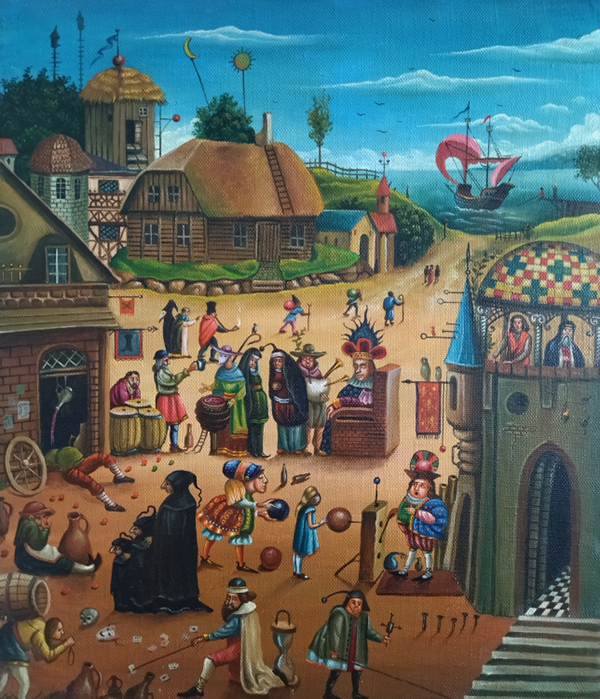
The work of Vladimir Kuchinsky is a vivid example of an appeal to Vedic and epic motifs. The artist reflects on the past and future, on loneliness and its hidden meaning, and on the connection between humanity and ancient civilizations. Influenced by the great Hieronymus Bosch, as well as by an interest in Eastern philosophy and the works of H.P. Blavatsky and Carlos Castaneda, Kuchinsky creates canvases that have found admirers far beyond Russia—from England and the USA to Japan and Holland.
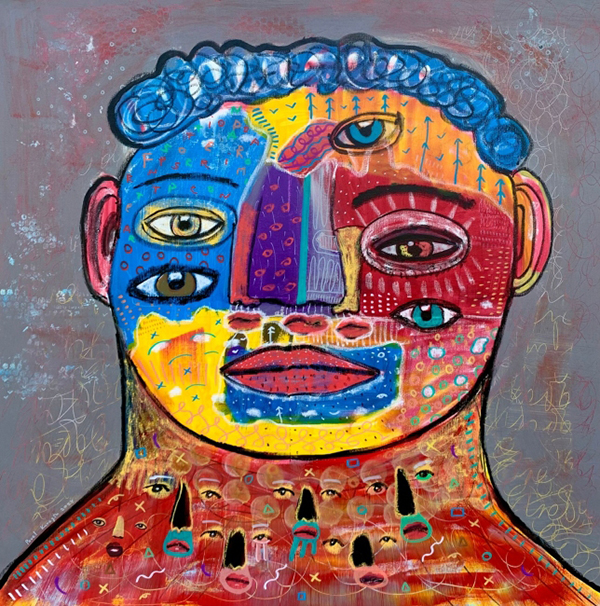
Pavel Kuragin represents the line of "archival" surrealism. A self-taught artist, he constantly experiments with materials and techniques, creating unique collages on the pages of old books and magazines. Handmade paper, kraft paper, watercolor, oil pastels—all become tools for creating multi-layered worlds where the past takes on new life, and random spots and lines transform into deliberate images.
Antonio Lebedef, an architect by training, works at the intersection of art and science. The author of his own style—Glitch Surrealism—he explores the interaction between the physical and digital worlds. The artist has hundreds of completed projects to his name, participation in international exhibitions (including the Tretyakov Gallery in Moscow), and lectures at leading foreign universities. His work is a look into the future, an attempt to understand how to preserve oneself in an era of total visual overload.
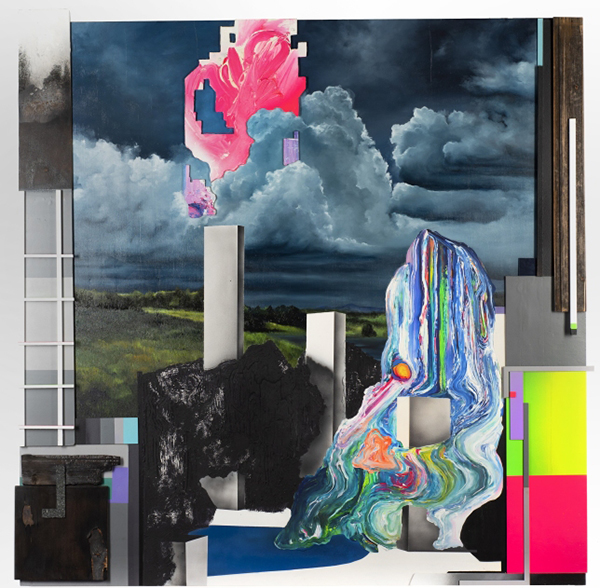
Andrey Gorenkov is an artist whose name is inextricably linked with philosophical surrealism. His main inspiration came from the incomparable Salvador Dalí. Interestingly, Andrey is connected to the great Spaniard not only through art but also through a curious history of distant kinship. Alongside Dalí, the artist draws inspiration from the works of Argentine writer Jorge Luis Borges and his concept of multi-world interpretation, the existence of parallel worlds, and the possibility of interweaving timelines. Gorenkov calls his method philosophical surrealism—a combination of graceful, elegant forms, each of which is a readable sign, a symbol. Thus, any painting can be read like a story.
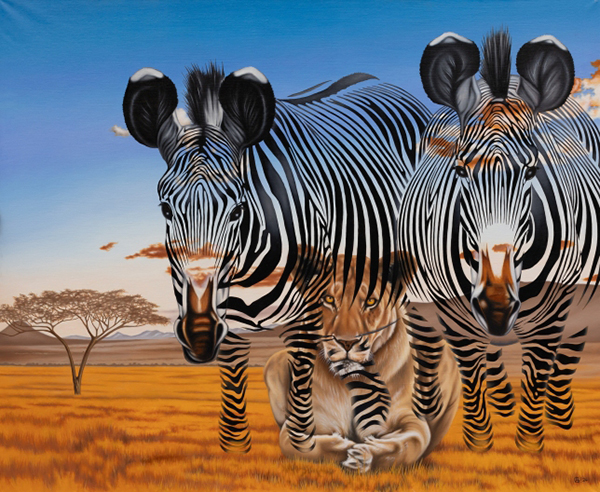
Interest in modern Russian Surrealism is steadily growing. Works by artists in this movement can be found in private collections around the world—from Europe to America and Asia. They are exhibited in major museums, as well as at prestigious international venues.
Explore our selection of unique works at the Baranow Art Gallery and find a painting that speaks to your imagination!
Get access to special offers, exclusive promotions, and unique promo codes available only to our subscribers. Along with that, stay updated on the latest global art news and receive fresh insights and announcements from Baranow Art Gallery.

 English
  Русский
  Deutsch