
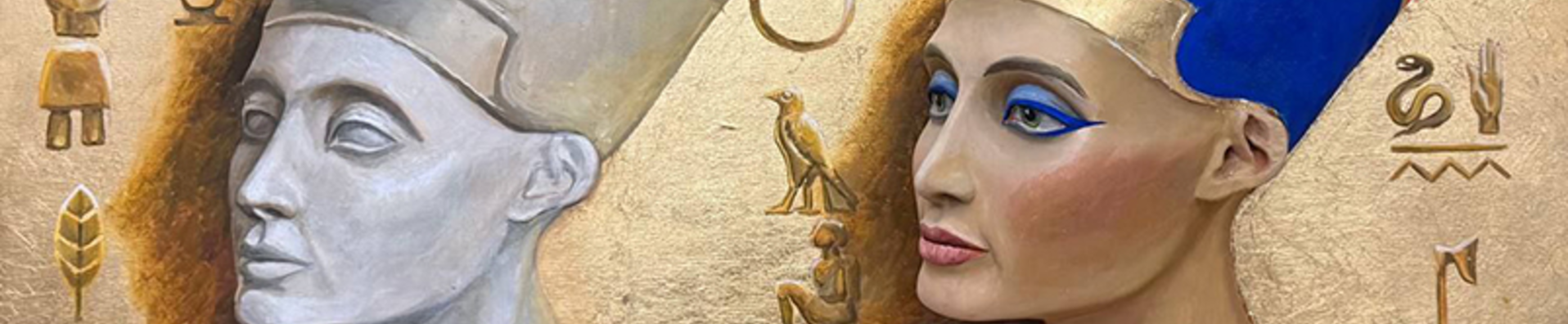
The year 2025 was not a period of isolation for Russian contemporary art, but one of intense crystallization. Freed from the pressure of constant alignment with a globalized agenda, the scene turned inward, undergoing a profound re-evaluation of its own foundations. At BARANOW ART GALLERY, we observe this not as a withdrawal, but as the emergence of a distinct and resonant voice. The key trends of the year can be summarized as follows.
A global fatigue with the purely virtual has merged with local conditions, sparking a powerful resurgence of materiality. Artists are engaging in almost alchemical practices with wood, metal, and textiles, yet their vision is undeniably shaped by the digital age. This results in hybrid works—“analog objects with a digital soul,” as curators notes. The focus is on tangible presence and craft.

There is a decisive move away from seeking universal, global relevance. Instead, artists are excavating local histories, Soviet modernism, and Russian Cosmism, not out of nostalgia, but to mine these traditions for alternative futures. This “archaeology of the future” is a significant trend supported by critical platforms and institutions within the country.
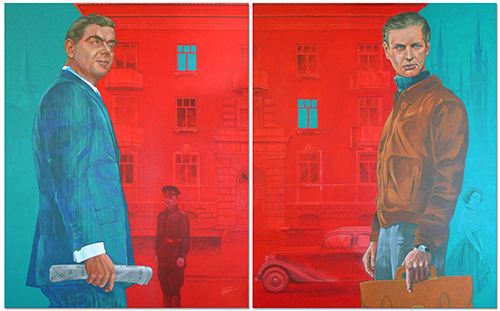
As public discourse contracts, art has become a primary space for complex reflection. We see a dual movement: the creation of intricate, personal worlds (a strategic, thoughtful escapism) and powerful explorations of the body, identity, and private memory.
In essence, Russian art has become more contemplative, tactile, and intimately engaged with its own context.
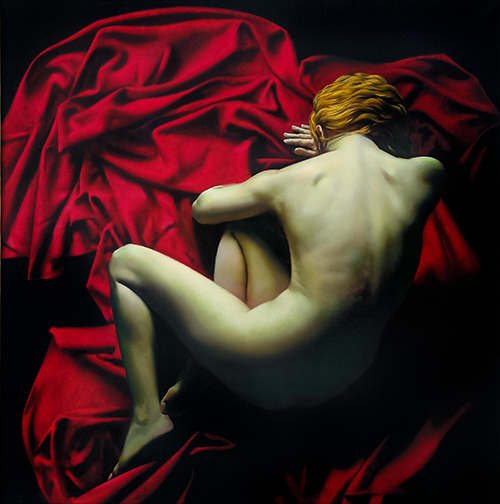
Our forecast is not speculation but an extrapolation of these deepening currents. The Rise of Micro-Narratives. We anticipate a flourishing of powerful, personal histories—family archives, queer narratives, intimate testimonies. Art will become the primary language for expressing complexities that have no place in the simplified public sphere.
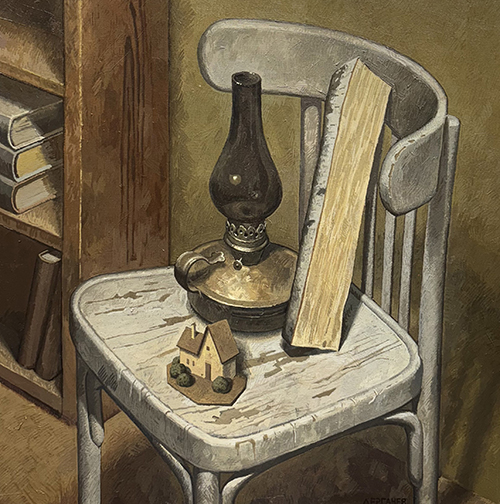
The use of artificial intelligence will evolve beyond image generation. Artists will increasingly employ AI tools to process and dialogue with vast, localized cultural datasets—from digitized regional museum collections to Soviet scientific and literary archives—forging a new visual language from within.
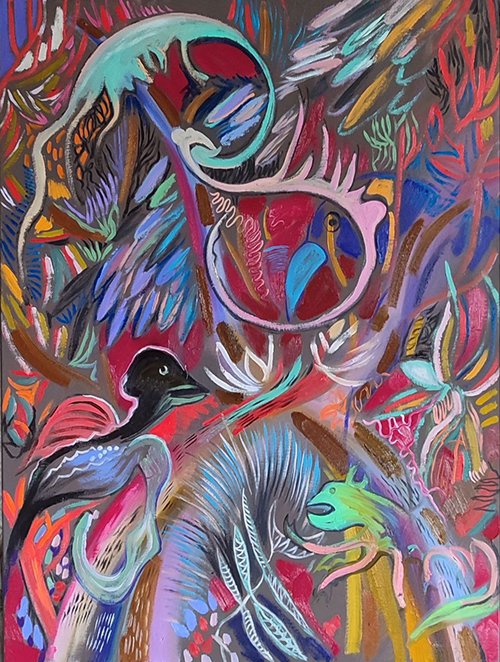
The robust art scenes of cities like Yekaterinburg, Vladivostok, and Kaliningrad, which have developed in dialogue with yet independently from Moscow, will gain further prominence, offering diverse and grounded perspectives.
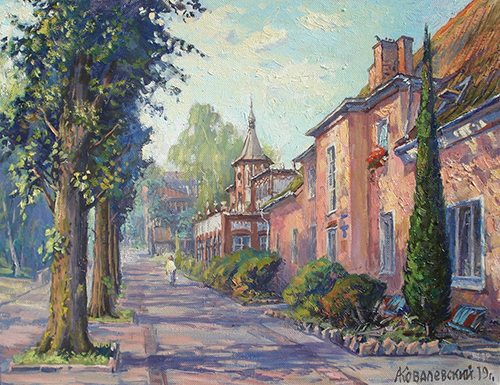
Economic realities continue to shift collector focus towards meaning and access. We foresee growing appreciation for works on paper, sketches, and small-scale pieces—formats that prioritize direct intellectual and emotional connection over sheer investment scale.
The year 2025 demonstrated that the Russian art scene is not marginalized but hyper-focused. It has ceased merely reflecting international trends and is now actively generating its own coherent language and questions. For 2026, we expect a year of consolidation: richer works, deeper inquiries, and a more confident, distinctive voice entering the global conversation.
Our program will continue to champion artists who masterfully merge material intelligence with profound research into memory and identity—pioneers who are defining the next chapter. We welcome your engagement with this evolving narrative.
Sincerely, The Team at BARANOW ART GALLERY.
Get access to special offers, exclusive promotions, and unique promo codes available only to our subscribers. Along with that, stay updated on the latest global art news and receive fresh insights and announcements from Baranow Art Gallery.

 English
  Русский
  Deutsch